17.04.2026
Why do campaigns go viral? The anatomy of viral marketing
Key information:
- Viral marketing, also known as viral marketing, is a promotional strategy based on the human tendency to share content online;
- Thanks to this type of marketing, a large number of people can be reached in a short time.;
- Effective viral marketing generates measurable benefits, but requires monitoring results and adapting to the current situation.;
- The article will discuss in detail how to conduct effective viral marketing, what an effective viral campaign looks like, and what can be gained from using this solution.
Details below!
What is viral marketing?
Viral marketing is promotional strategy based on infecting with content that quickly spreads among users and goes viral. This form of advertising is based on creating content that is not only interesting, but also inspiring, entertaining, or emotionally engaging. The main goal of this strategy is to encourage people to voluntary sharing of content with their friends, family, and online, which in effect generates broad and organic promotion of a brand, product, or message. Viral marketing can become a powerful tool for building brand awareness and achieving community engagement, especially in the age of social media. In this article, we will take a closer look at the operating principles of this type of strategy, best practices, and examples of successful campaigns that have gone viral.

Anyone can use viral marketing.
The concept of viral marketing is broad, as is the diversity of its potential users. Viral marketing can be used by various types of organizations, including:
- Companies and businessesBusinesses use this type of advertising to promote their products and services. They create creative content that gains popularity among users, which can translate into better brand positioning and increased sales.
- Startups Small businesses and startups often use viral marketing because it is an effective method of reaching a wide audience without requiring a large investment in advertising.
- Non-profit organizations Charitable and non-governmental organizations can use viral content to promote their goals and campaigns. Creating engaging content can help with fundraising or increasing public awareness.
- Individual content creatorsBloggers, vloggers, social media content creators, and influencers often use this type of strategy to increase their reach and number of followers. Sharing interesting content can help build a personal brand.
- Marketing agencies: Marketing agencies specializing in creating advertising campaigns can offer viral marketing services to their clients as part of their package.
- Products or services that naturally evoke emotions or are unusualProducts or services that are unusual, controversial, or emotionally engaging may be more likely to create a viral effect in marketing.
- Seasonal Events and CampaignsViral marketing can be effective in promoting specific events such as festivals, contests, or seasonal campaigns.
In summary, viral marketing can be used by virtually anyone, while the form it takes depends on the objective of the advertising campaign. If you're wondering whether it's worth using this form of advertising, schedule a meeting with us to free consultation.
Types of viral marketing
Viral marketing can take many forms, and there are different types of this promotional strategy. Here are the main forms of viral marketing:
- Viral contentIt involves creating content such as memes, videos, images, or articles that are funny, interesting, or controversial. This content is designed to go viral, with users eagerly sharing it on social media or other online channels.
- Buzz marketingIt involves generating „buzz” and conversations around a specific brand, product, or service. The goal is for people to naturally start talking about the promoted item, and for information about it to spread „virally” within society.
- Viral marketing based on contestsOrganizing contests in which users participate can lead to the dissemination of brand or product information. Users often encourage their friends to participate, which increases the campaign's reach.
- Viral marketing based on influencersCollaborating with high-reach social media influencers can help promote a brand or product. Influencers often share product-related content with their followers, which can lead to the spread of the message.
- Event or trend-based viral marketingLeveraging current events or trends can help content go viral. Brands create content related to timely topics, which can capture users' attention.

What to remember? Characteristics of an effective viral campaign
Success An effective viral marketing campaign must have several characteristic features:
- Creativity: The content must be original, unusual, and eye-catching.
- Emotions: The content should evoke emotions such as laughter, surprise, emotion, or controversy.
- Ease of Sharing: Content must be easily accessible and shareable across various social media platforms.
- User value: Content should provide users with value, whether in the form of information, entertainment, or problem-solving.
An effective viral campaign requires creativity and emotion to capture attention, as well as simplicity for social media sharing. Additionally, the value provided to the user is crucial to stimulate the desire to share content with others.
Pros and cons of viral marketing
Viral marketing generates many benefits, such as:
- Reach a wide audience quickly: Viral content can spread instantly, reaching millions of people in a short amount of time.
- Low price: Compared to traditional forms of advertising, viral marketing can be relatively inexpensive.
- Brand awareness growth: An effective viral campaign can significantly increase brand recognition.
However, there are also risks, such as:
- Loss of control: The company may lose control over how a viral advertisement spreads, which can lead to undesirable consequences.
- Risk of negative reactions: A viral campaign can provoke negative reactions among users, which can harm the brand's reputation.
- Leveraging controversy: Viral marketing based on controversy can attract attention, but it can also alienate some customers.
When deciding to use viral marketing, you need to consider all the pros and cons of this solution. If you want to learn about other forms of marketing, check out our other articles. here.
How to create a viral marketing campaign?
To create an effective viral marketing campaign, it's worth:
- Understand your target audience and create content tailored to their needs.
- Create content that evokes emotions and engages users.
- Facilitate content sharing through share buttons and social actions.
- Monitor and respond to user feedback in real-time.
Creating an effective viral marketing campaign assumes deep understanding of the target audience, creation of emotional and engaging content, ensuring ease of sharing, and ongoing monitoring and response to community reactions.
Example campaigns using viral marketing
What does effective viral advertising look like? Below we present the most interesting examples:
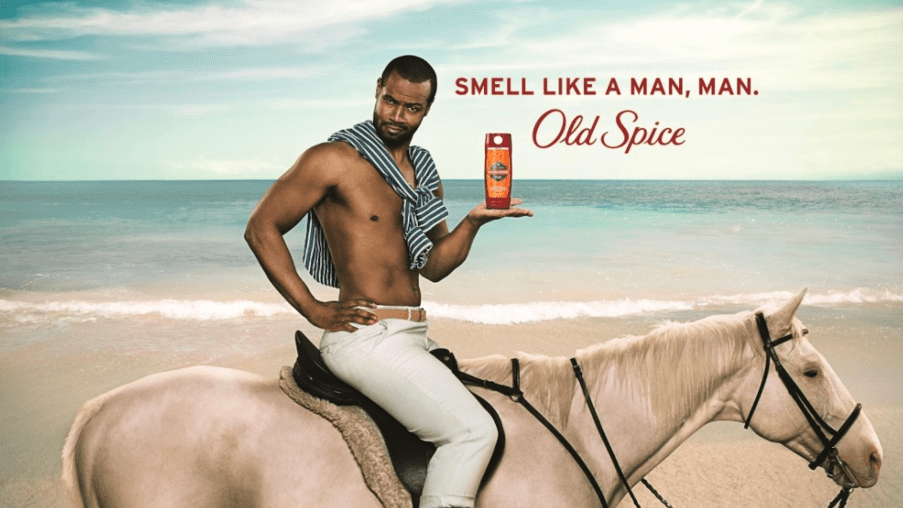
Old Spice Campaign „The Man Your Man Could Smell Like”:
The Old Spice commercial is one of the best examples of excellent campaigns based on viral content. The commercial featured Isaiah Mustafa, who played a handsome man and captured viewers' attention in a humorous way. The commercials were short, dynamic, and creative, which encouraged people to share them on social media. As a result, the Old Spice commercials gained immense popularity and hundreds of millions of views on YouTube.
Ice Bucket Challenge campaign for the ALS Association
This social campaign perfectly shows how to create a viral hit. The challenge involved pouring a bucket of ice water over oneself and nominating others to do the same to raise awareness about amyotrophic lateral sclerosis (ALS). The campaign became a global phenomenon, with celebrities, athletes, and ordinary people from all over the world joining in. This helped to raise hundreds of millions of dollars for ALS research.

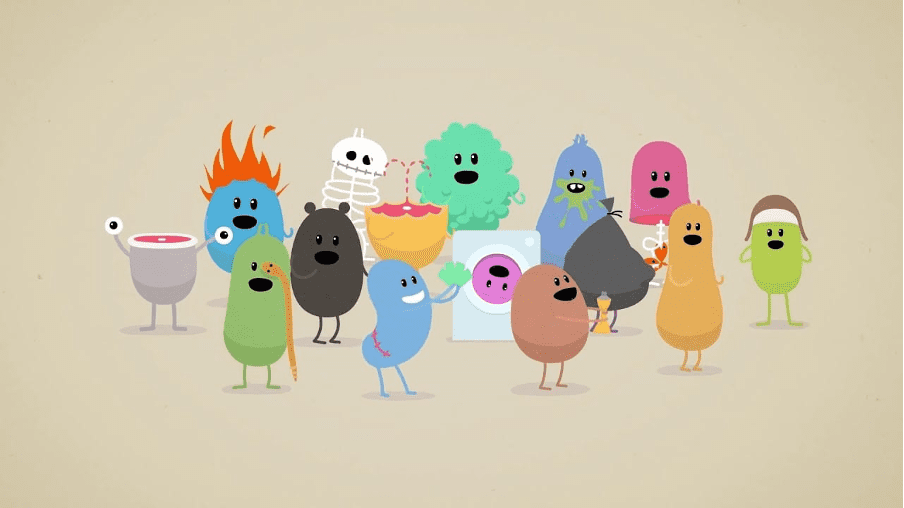
The „Dumb Ways to Die” campaign by Metro Trains in Melbourne:
This campaign promoted rail crossing safety in Melbourne. It was created in the form of a fun and addictive animation featuring likable characters. The song „Dumb Ways to Die” became a hit and gained immense popularity on social media platforms. The campaign conveyed an important safety message while reaching a wide audience.
Viral marketing vs. traditional marketing
Viral marketing and traditional marketing are two different promotion strategies that differ in many aspects. Viral marketing differs significantly from the classic approach to advertising.
The first and most important difference concerns the way advertising messages are conveyed. In viral marketing, content is created to be interesting, funny, or inspiring, which encourages people to share it on social media and other online channels. This advertisement spreads organically, and success depends on user activity. Traditional marketing uses traditional media such as television, radio, newspapers, and flyers to reach a mass audience through paid advertisements and promotions.
Another difference is the cost. Viral marketing utilizes users who spread content themselves, which eliminates the need for large advertising expenditures. Traditional marketing may require significantly larger financial outlays for advertising purchases and promotional material production.
Speed and reach are other key elements that differentiate the two strategies. Viral marketing takes full advantage of the internet's capabilities, allowing for wide reach and becoming viral in a short time, especially in the age of social media. Traditional marketing may require more time to build brand awareness and reach a large audience.
Another aspect is credibility and trust. Viral marketing often works by relying on user recommendations and shares, which can increase trust in a brand or product. Traditional marketing may be perceived as more commercial and less credible by some audiences.
The last difference is control over the message. By utilizing virals, a brand may lose some control over the content and its interpretation when it is shared by users. In traditional marketing, a brand has greater control over the message and advertising content.
The choice between viral marketing and traditional marketing depends on marketing goals, target audience, and available resources. Many companies use both strategies as part of their overall marketing strategy, seeking to leverage the benefits of both approaches.
What should be considered to effectively implement viral marketing?
Viral marketing is effective promotional tactics based on creating content that spreads organically among internet users. It is a form of marketing that can bring many benefits, but also involves certain risks. The key to success is creativity, engaging users, and delivering value in marketing content. The specificity of viral advertising enables reaching a wide audience and building brand recognition in an innovative and effective way.
Paul Piątek
See other entries


How Can Sector Attractiveness Scoring Help You Choose the Right Industry?
See more