
10.05.2021
Czym jest mapowanie procesów BPMN i dlaczego warto z niego korzystać?
Key information:
- Istnieje kilka metod stosowanych w celu modelowania procesów biznesowych, ale najpopularniejszą z nich, stanowiącą obecnie niepisany standard, jest BPMN.
- BPMN, czyli Business Process Model and Notation jest jednolitą notacją służącą do opisu procesów biznesowych i łączących je relacji.
- Jednym z głównych celów mapowania procesów biznesowych jest dostarczenie zestawu elementów graficznych, przy pomocy których tworzy się czytelne schematy blokowe do wizualnego modelowania przebiegu procesów biznesowych.
- Kluczowymi cechami BPMN, które decydują o jej sukcesie, są jej jednoznaczność i uniwersalność.
- Notacja ta pozwala na tworzenie zarówno prostych, jak i bardzo skomplikowanych schematów przepływu.
- Celem notacji BPMN jest usprawnienie zarządzania procesami biznesowymi, zwiększenie ich przejrzystości i efektywności oraz umożliwienie organizacjom lepszego zrozumienia, analizowania i doskonalenia swoich procesów.
- Dzięki użyciu notacji BPMN można dojść do lepszego zarządzania procesami biznesowymi i zwiększenia konkurencyjności organizacji.
- Współpraca między różnymi interesariuszami jest kluczowa dla efektywnego modelowania i doskonalenia procesów biznesowych.
- Warto skorzystać metody mapowania procesów BPMN, by usprawnić przepływ informacji w firmie i automatyzację wykonywania zadań, a co za tym idzie, poprawić efektywność jej działania.
Details below!

Patrząc na zmiany zachodzące we współczesnym świecie biznesu, można zauważyć stopniowy spadek popularności tradycyjnych, funkcjonalnych i sztywnych struktur organizacji przedsiębiorstw o rozbudowanej hierarchii, w których działania są nastawione na realizację poszczególnych funkcji, takich jak marketing, sprzedaż czy finanse. Tracą one swoją pozycję na rzecz form organizacji o poziomej, horyzontalnej strukturze, w której dominuje podejście procesowe. Działania takich przedsiębiorstw nie są skupione na realizacji oddzielnych funkcji, a na zarządzaniu procesami, których celem jest maksymalizacja zadowolenia klienta.
Processes we współczesnych organizacjach są często bardzo rozbudowane i skomplikowane. Aby zależności między nimi stały się łatwiejsze do zrozumienia, zarówno dla członków organizacji, jak i osób z zewnątrz, stosuje się mapowanie procesów, czyli wyodrębnia się pojedyncze zadania i następnie przedstawia się je w sposób graficzny. Istnieje kilka metod stosowanych w celu modelowania procesów biznesowych, ale najpopularniejszą z nich, stanowiącą obecnie niepisany standard, jest BPMN.
What is BPMN?
BPMN, czyli Business Process Model and Notation jest jednolitą notacją służącą do opisu procesów biznesowych i łączących je relacji. Jednym z jej głównych celów jest dostarczenie zestawu elementów graficznych, przy pomocy których tworzy się czytelne schematy blokowe do wizualnego modelowania przebiegu procesów biznesowych.
Jeśli potrzebujesz doradztwa w zakresie wdrażania innowacji umów się na bezpłatną konsultację, a wspólnie ustalimy, jak możemy pomóc twojemu biznesowi.
Co sprawia, że notacja ta jest tak ceniona i znajduje tak powszechne zastosowanie?
Kluczowymi cechami BPMN, które decydują o jej sukcesie, są jej jednoznaczność i uniwersalność. Notacja ta pozwala na tworzenie zarówno prostych, jak i bardzo skomplikowanych schematów przepływu. Dzięki swojej standardowej formie graficznej jest zrozumiała dla użytkowników z różnych organizacji, pracujących na różnych stanowiskach – od managerów, przez analityków biznesowych, po programistów. BPMN jest także kompatybilna z kilkudziesięcioma programami do modelowania i process automation, such as MS Visio, iGrafx, ARIS, or TIBCO Business Studio.
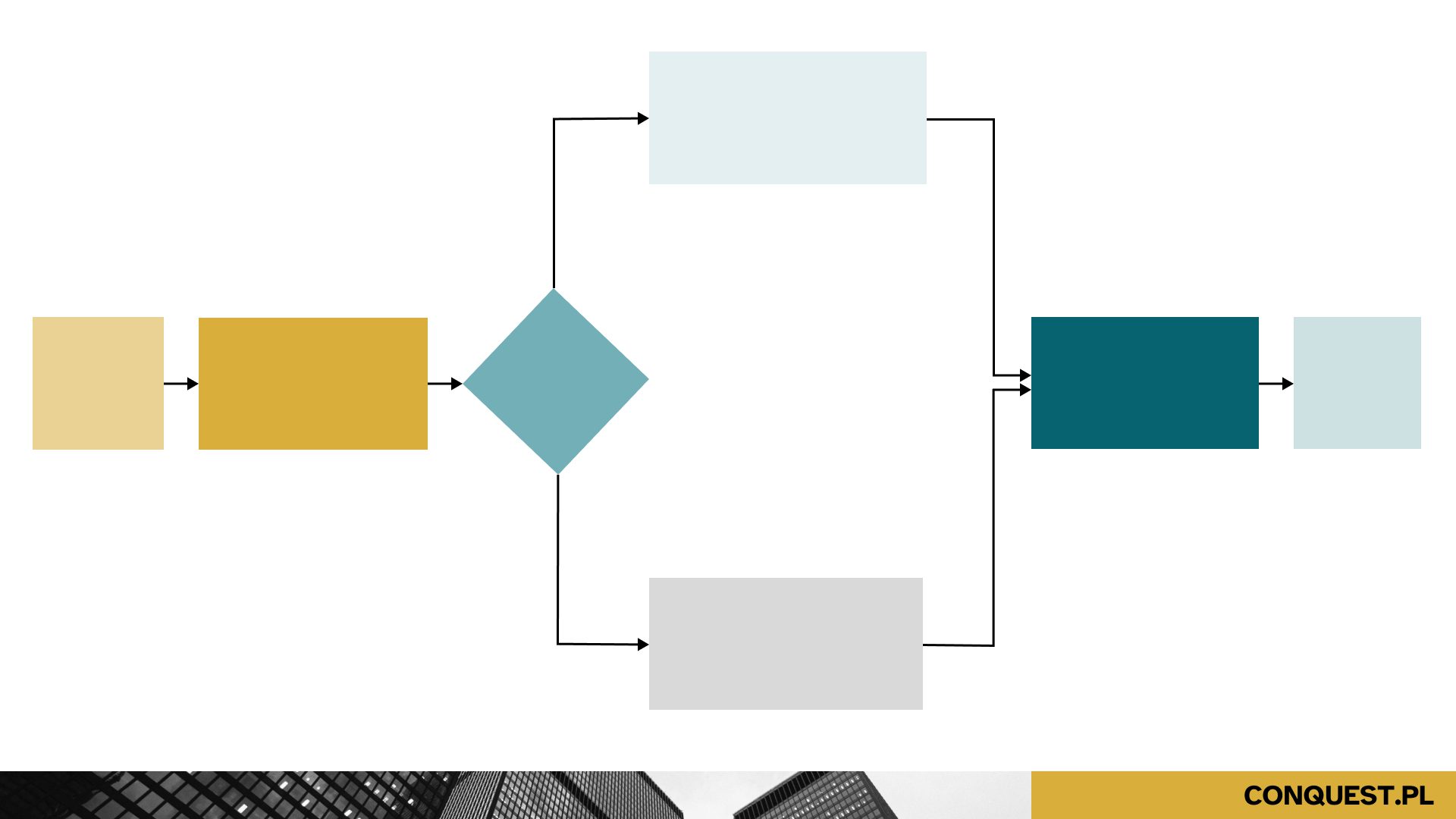
How to create a BPMN diagram?
What are the goals of BPMN notation?
Notacja BPMN ma na celu zapewnienie jednolitego i zrozumiałego sposobu reprezentacji procesów biznesowych w organizacjach. The main tasks of BPMN notation include:
- Clear representation of business processes: BPMN umożliwia przedstawienie procesów biznesowych w sposób graficzny i intuicyjny. Dzięki temu osoby z różnych dziedzin i poziomów organizacji mogą łatwo zrozumieć, jak przebiega dany proces.
- Standardization: BPMN jest standardem branżowym, co oznacza, że jest powszechnie akceptowana i używana w środowiskach biznesowych na całym świecie. Dzięki temu organizacje mogą unikać nieporozumień i błędów wynikających z różnych sposobów reprezentacji procesów.
- Communication: notacja BPMN umożliwia efektywną komunikację między różnymi interesariuszami w organizacji, takimi jak menedżerowie, analitycy procesów, programiści i użytkownicy końcowi. Dzięki temu wszyscy mogą być na bieżąco informowani o tym, jakie są procesy i jak funkcjonują.
- Automation: BPMN może być wykorzystywane do automatyzacji procesów biznesowych. Procesy zapisane w notacji BPMN mogą być łatwo przekształcane na modele wykonywalne, które można uruchamiać i kontrolować za pomocą oprogramowania do zarządzania procesami biznesowymi (BPM).
- Optimization: dzięki reprezentacji procesów w formie diagramów BPMN, organizacje mogą łatwiej analizować i optymalizować swoje procesy biznesowe. Mogą zidentyfikować miejsca, w których występują opóźnienia, błędy lub zbędne kroki i podejmować działania mające to improve efficiency.
- Decision-making support: BPMN może być wykorzystywane do modelowania alternatywnych scenariuszy procesów biznesowych. To pomaga organizacjom w podejmowaniu bardziej świadomych decyzji dotyczących zmian w procesach.
- Easy training: notacja BPMN jest stosunkowo łatwa do nauczenia się i stosowania, co ułatwia szkolenie pracowników i wprowadzanie jej w organizacji.
In summary, the purpose of the BPMN notation is to streamlining zarządzania procesami biznesowymi, zwiększenie ich przejrzystości i efektywności oraz umożliwienie organizacjom lepszego zrozumienia, analizowania i doskonalenia swoich procesów.
Korzyści z BPMN
Korzystanie z modelowania BPMN niesie ze sobą wiele korzyści. Kluczową z nich jest przejrzystość, czyli możliwość jasnej reprezentacji procesów biznesowych za pomocą graficznych diagramów, co ułatwia zrozumienie i komunikację. BPMN jest też globalnym standardem, co ułatwia współpracę między organizacjami. Pozwala na process automation, co zwiększa efektywność i eliminuje błędy. Tworzenie diagramów procesów pomaga w identyfikowaniu i eliminowaniu zbędnych kroków, poprawiając wydajność oraz jest dużym wsparciem przy podejmowaniu decyzji. Dzięki użyciu notacji BPMN można dojść do lepszego zarządzania procesami biznesowymi i zwiększenia konkurencyjności organizacji.

Elements of BPMN notation
Graficzne elementy używane w notacji BPMN można podzielić na cztery kategorie. Pierwsza z nich to obiekty związane z przebiegiem procesu – actions, czyli zadania, które ma wykonać dana osoba lub system, zdarzenia, oznaczające początek, środek i koniec procesu oraz bramki, zwane też obiektami decyzyjnymi, które opisują ścieżkę przepływu sekwencji w procesie. Drugą stanowią connecting elements, które służą do spajania obiektów procesu i pokazują jego przebieg. Trzecia kategoria to grouping objects other elements. They are called variously - tanks or pools. Każdy basen dzieli się na dodatkowo na tory, które pokazują zakres obowiązków i lokalizację zdarzeń, które w nim następują. Czwarta grupa to expansion elements, such as annotations of various kinds.
Procesy wyróżniane w notacji BPMN
W notacji BPMN wyróżnia się kilka rodzajów procesów. Pierwszy z nich to private trials, określane również terminem „workflow”. Są to czynności wewnętrzne, charakterystyczne dla konkretnej organizacji. Procesy te powinny być przedstawiane w ramach jednego basenu. Jedynymi elementami, które mogą przekraczać granice są komunikaty, służące wymianie informacji między różnymi procesami prywatnymi. Dobrym przykładem takiego procesu jest odbiór korespondencji w firmie – jego elementami są następujące po sobie czynności, takie jak wpłynięcie wiadomości do skrzynki, przygotowanie odpowiedzi i wysłanie wiadomości zwrotnej.
Another type is public trials. Pokazują one interakcje zachodzące między procesem prywatnym, a uczestnikami spoza niego. Celem tego modelu jest udostępnienie ograniczonych informacji na potrzeby danego procesu. Przykładem może być przepływ komunikatów między dwoma osobnymi basenami – jednym, który zajmuje się odbieraniem wiadomości w Dziale Obsługi Klienta pewnej firmy i drugim, który przedstawia jej klienta.
W kolejnym modelu, współpracy, przedstawia się dwa lub więcej basenów zawierających procesy oraz interakcje, które zachodzą pomiędzy nimi. Korzystając z wcześniejszego przykładu, zdarzenie polegające na wysłaniu wiadomości w procesie prywatnym „Client” łączy się ze zdarzeniem polegającym na odbiorze wiadomości w procesie „Dział Obsługi Klienta w firmie”.
Ostatni z modeli, choreography, describes the interactions that occur between two or more participants in the process. But importantly, it does not describe the activities that the individual participants perform.

Who does process modeling?
Modelowanie procesów biznesowych to kompleksowy proces, który angażuje różne role i działy w organizacji. Analitycy są kluczowi, zajmują się analizą, projektowaniem i optymalizacją działań za pomocą notacji BPMN. Menedżerowie procesów nadzorują ich efektywność, a inżynierowie wdrażają zmiany oparte na modelach. Dyrektorowie i kierownicy działów podejmują strategiczne decyzje dotyczące procesów. Specjaliści ds. informatyki są odpowiedzialni za process automation, a użytkownicy końcowi dostarczają informacje zwrotne. Ta współpraca między różnymi interesariuszami jest kluczowa dla efektywnego modelowania i doskonalenia procesów biznesowych.
How to plan a process using BPMN?
Chcąc graficznie przedstawić przebieg procesu przy pomocy notacji BPMN, w pierwszym etapie należy dokonać identyfikacji procesów. W tym celu można skorzystać z metody top-down, w której określa się ogólną działalność organizacji i na jej podstawie wyszczególnia pojedyncze elementy, lub z trudniejszej, ale bardziej precyzyjnej metody bottom-up, w której przebieg procesów formułuje się, bazując na analizie czynności wykonywanych w organizacji.
Kolejny etap polega na podziale procesów na główne oraz pomocnicze. Następnie spośród wszystkich procesów trzeba wyróżnić te, które są kluczowe dla osiągnięcia konkretnych celów biznesowych. W końcu tworzy się szczegółową mapę procesu, która pokazuje wszystkie składające się na niego czynności.
Dobrze przygotowana mapa procesów BPMN pozwala przedstawić nawet najbardziej skomplikowane i złożone procesy biznesowe w przejrzysty i łatwy do zrozumienia sposób.
Warto skorzystać z tej metody, by usprawnić przepływ informacji w firmie i task automation, a co za tym idzie, poprawić efektywność jej działania.
Krzysztof Koryl
See other entries