
18.09.2025
The Sharing Economy in Practice: How Airbnb is Creating a New Model of Tourism
Key information:
- The sharing economy is based on access to resources rather than ownership, allowing for the monetization of underutilized assets.
- Airbnb operates as a platform connecting property owners with travelers, generating revenue through a commission system on transactions.
- Hosts gain the opportunity to achieve additional income and flexibly manage rental terms.
- Travelers can choose from a wide range of accommodation offerings and authentic local community experiences.
- Airbnb's business model revolutionized the tourism market, forcing traditional hotels to implement innovations and adapt their strategies.
- However, the dynamic development of the platform causes an increase in housing prices and tensions in neighborly relations.
- In response, many cities are introducing short-term rental limits, registration requirements, and additional legal regulations.
The future of the sharing economy in tourism will be shaped by the integration of artificial intelligence technologies, service personalization, and the development of hybrid models.
Details below!
Over the last decade or so, the sharing economy has transformed the way we travel, work, and use resources. Airbnb has become one of the most recognizable symbols of this transformation, connecting millions of hosts and travelers worldwide. Examine how this business model impacts tourism, local economies, and what challenges and opportunities it presents for the future of the hospitality industry.
What is the sharing economy?
The contemporary sharing economy is a revolutionary economic model that fundamentally changes how society approaches consumption. Unlike traditional business models based on ownership of goods, the sharing economy enables access to resources without the need for their acquisition. This innovative economic model transforms underutilized assets into sources of revenue, while offering consumers more economical solutions. Today's sharing economy extends far beyond the housing sector. Sharing economy services include transportation (where users share transportation services), talent sharing through freelancing, and a wide spectrum of online intermediation services. This example of the sharing economy demonstrates how digital transformation can facilitate access to diverse resources and skills.
One of the key advantages of the sharing economy is the optimization of existing resource utilization. This model leads to a reduction in waste by maximizing the use of underutilized assets. As a result, new business opportunities emerge, redefining traditional economic sectors and creating space for innovative business models.
Key principles of Airbnb's operation and business model
The revolution in the travel industry didn't come from traditional hotel conglomerates, but from a garage in San Francisco, where in 2008 two roommates decided to rent air mattresses in their apartment during a design conference. This seemingly simple idea has evolved into a global platform that has fundamentally changed the way people travel and think about lodging. Airbnb functions as a two-way digital platform that connects property owners with travelers looking for alternative accommodations. The company's business model is based on the sharing economy, where unused living spaces are monetized by making them available to temporary renters. At the core of the platform is a marketplace system that allows hosts to post listings of available properties, and guests to browse and book selected properties. The booking process includes verification of users„ identities, secure payment processing and a communication system between the parties to the transaction. In 2025, Airbnb expanded its model to include additional services and, more specifically, ”Services„ and ”Attractions," whose priority is to provide unforgettable experiences and emotions to the user.
It is also worth noting Airbnb's revenue model, which is based on commissions charged on each transaction. Hosts pay a service fee of approximately 3% of the booking value, while guests incur an additional platform service fee, which can reach up to 15% of the accommodation's value. This commission structure allows the company to scale its business without investing in physical assets. A key element of the business model is the reputation system based on mutual reviews. After each stay, both the host and the guest can give each other a rating and review, creating a self-regulating mechanism for service quality. Highly rated hosts receive better visibility in search results, which directly translates into a higher number of bookings.
Furthermore, the platform uses advanced machine learning algorithms to personalize offers and optimize pricing. The system analyzes historical booking data, seasonality, local events, and user behavior to suggest optimal prices to hosts and help guests find the best accommodation options.
Airbnb also offers additional revenue-generating services such as Airbnb Plus for premium properties, Airbnb for Work for business travel, and Experiences that allow booking local activities hosted by locals. These extensions of the business model keep customers on the platform longer and generate higher revenue, while also diversifying Airbnb's income streams.

Benefits for hosts and travelers: What do both parties gain?
The platform's success stems from its skillful creation of an ecosystem where both parties to a transaction benefit tangibly. This synergy between hosts and guests forms the foundation of the platform's sustainability and dynamic growth in the global tourism market.
For hosts, Airbnb primarily means the opportunity to generate additional income from their properties. Owners can monetize unused spaces, from spare rooms to entire apartments or vacation homes. The platform's flexibility allows them to set their own pricing, calendar availability and stay rules, giving them full control over how they do business. In addition, hosts can use the platform's analytics tools to help optimize prices based on demand, seasonality and local events. The Airbnb system also offers hosts the support of Host Protection insurance, which protects against property damage of up to $1 million. The platform provides secure payment processing, automatic fund transfers and customer support in case of problems. Many hosts appreciate the opportunity to meet people from different cultures and countries, turning renting into a social experience beyond a mere business transaction.
Travelers using Airbnb gain access to a significantly wider range of accommodation options than with traditional hotels. They can choose from unique places, from castles and treehouses to apartments in local neighborhoods, allowing them to experience the authentic, unique local culture. Prices are often competitive compared to hotels, especially for longer stays and larger groups of travelers. A key benefit for guests is the opportunity to stay in local communities and get to know a place from a resident's perspective. Hosts often share recommendations for restaurants, attractions, and hidden gems not found in guidebooks. Access to kitchens and common spaces allows travelers a more independent and comfortable stay, which is particularly important for longer trips or travel with children.
Airbnb also offers guests greater flexibility in travel planning. The ability to communicate directly with the host allows for negotiation of special requests, earlier check-in, or later check-out. The rating and review system provides transparency, enabling travelers to make informed decisions based on the experiences of previous guests.
How does Airbnb impact traditional tourism models?
Airbnb's entry into the travel market has caused a real revolution that has forced the entire industry to overhaul its strategies. Traditional hotels, which for years had been competing mainly against each other, suddenly faced a challenge from thousands of private hosts offering often lower prices and unique accommodations. The hotel industry has responded to this challenge in several ways. Many hotel chains have launched their own platforms with apartments and condos, emulating the Airbnb model. Marriott created Homes & Villas, Accor acquired onefinestay, and Hyatt bought Oasis Collections. Hotels also began investing in better mobile apps and a more personal approach to guests to differentiate themselves from standard platform listings. Airbnb has also changed where tourists stay and spend their time. Previously, most travelers stayed in city centers, but now they can live in normal neighborhoods with locals. This has benefited locals in these areas, but has also caused problems with rising housing prices and excessive tourism in some places.
The way travel is planned has also changed. Instead of booking a hotel through a travel agent, people now look for accommodations themselves and talk directly to hosts. This gives them more control over what their vacation looks like, but also means that travel agents have to offer other services to stay needed. Restaurants and tourist attractions have also felt the changes. Guests staying in apartments with kitchens are more likely to cook for themselves and shop at local stores, affecting revenues for hotels and restaurants in city centers. On the other hand, hosts often recommend their favorite local places, which helps smaller businesses attract tourists. The entire tourism industry has also had to catch up quickly with technology. Hotels and other travel companies have been forced to develop better apps, online booking systems and tools to manage customer reviews. The importance of online reviews has grown tremendously, and companies have had to learn how to respond to criticism in a public and professional manner.
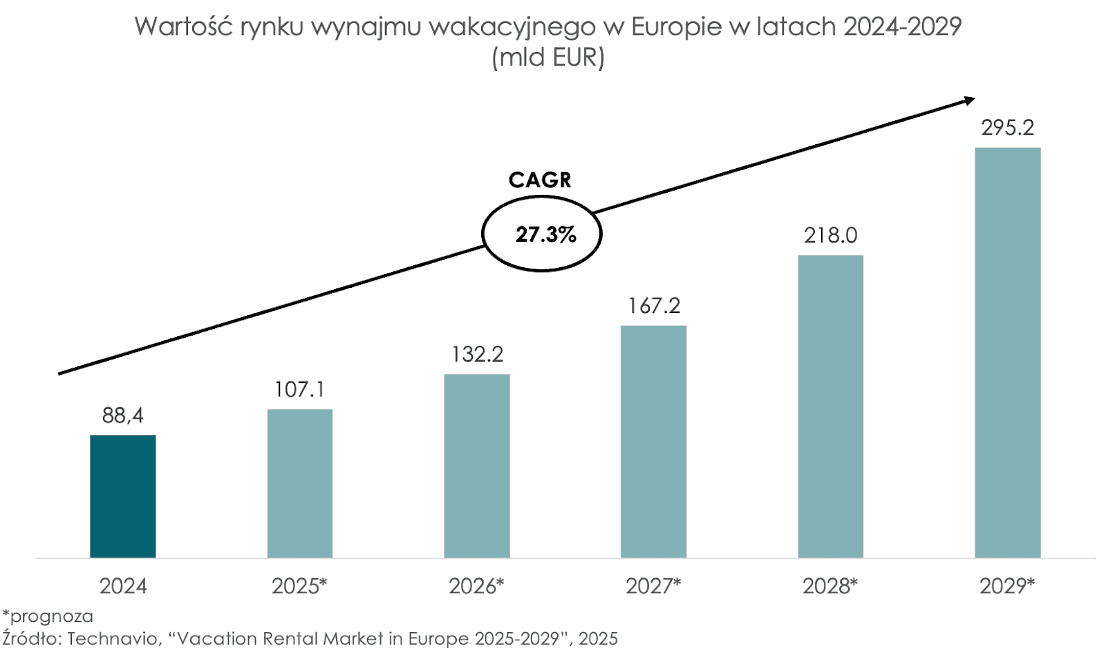
Airbnb as an element of the local economy and community
The Airbnb platform is fundamentally transforming the structure of local economies, creating new channels for income distribution in residential communities. Property owners, who previously had only passive assets, gain the ability to generate regular income without investing in traditional hotel infrastructure. Airbnb guests are more likely to use local restaurants, grocery stores, cafes and services run by locals, generating demand for products and services offered by small local businesses. This change in tourists' consumer patterns is leading to the creation of new jobs in the neighborhood and an increase in the turnover of local businesses. Sharing economy platforms are influencing the patterns of social life in local communities. The constant turnover of tourists in residential buildings is changing the dynamics of neighborhood relationships, limiting opportunities to build long-term interneighborhood ties. Residents have to adapt to the presence of unfamiliar people in their immediate residential environment, which can lead to a weakened sense of local community. The sharing of talents and local knowledge by Airbnb hosts creates new forms of cultural exchange in communities. Residents become ambassadors for their neighborhoods, sharing information with guests about local traditions, hidden attractions and authentic culinary and cultural experiences. This process can strengthen local identity and residents' pride in their community.
The modern sharing economy requires local communities to develop adaptive strategies that maximize economic benefits while maintaining social cohesion. Communities that effectively integrate the Airbnb model with local needs and values gain new opportunities for economic development, while those that fail to address regulatory and social challenges may experience destabilization of their housing and social structures.

Airbnb in the context of legal regulations and market challenges
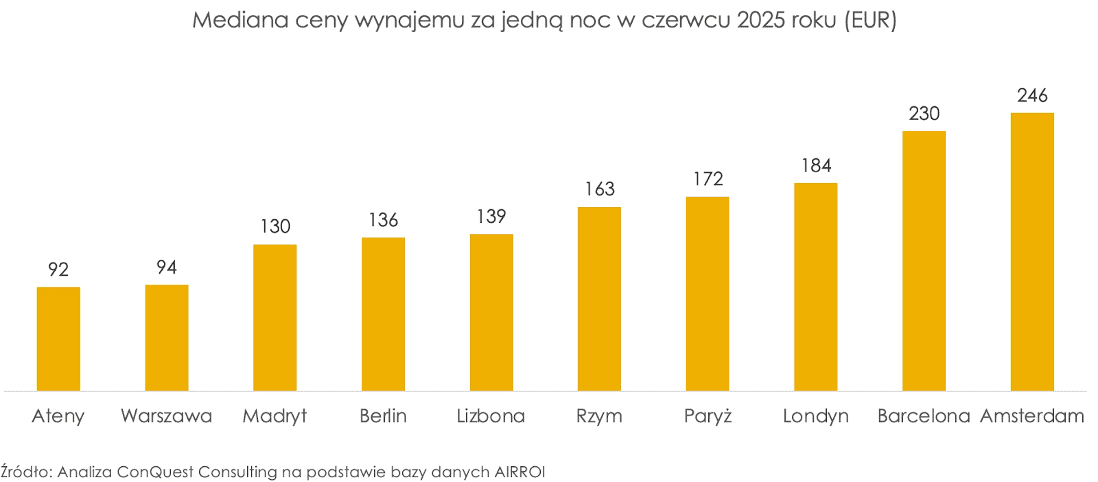
The dynamic development of the Airbnb platform in European metropolises has sparked an intense regulatory debate between digital innovation and the protection of local housing communities. Cities such as Paris, Amsterdam, Barcelona, and London are implementing various legislative solutions tailored to the local needs of the sharing economy. Paris has limited short-term rentals to 120 days per year with mandatory property registration. Amsterdam has set a limit of 30 nights per year, utilizing advanced technologies to monitor compliance. Barcelona has completely banned the issuance of new licenses in the city center, while London has adopted a more liberal approach with a 90-day limit without special permits.
The main problem is the impact of mass short-term rentals on long-term rental prices. A 1%increase in the number of tourist properties leads to an average rent increase of 0.4-0.7%. In historic districts, apartment rental prices have increased by over 20% within three years of the development of sharing economy platforms. The problem also concerns the limited availability of housing on the long-term market, leading to the displacement of residents from city centers. Another challenge is the neighborly issues arising from the rotational nature of Airbnb guests. Noise and a lack of community have become sources of conflict in densely built-up neighborhoods. City authorities are introducing systems for reporting disturbances and automatically revoking licenses after exceeding the number of justified complaints.
The development of sharing economy platforms has impacted the traditional hotel sector, with budget hotels experiencing an 8-12% decrease in occupancy%. The hotel industry argues that the competition is unfair due to differences in regulatory burdens, as hotels must meet strict safety requirements and pay higher taxes than short-term rental platform hosts.
The European Commission is working on unifying the approach to the sharing economy, creating a legal framework to protect consumers and traditional tourism industries. Regulations for the sharing economy remain under negotiation among platform operators, city authorities, and resident organizations. The Airbnb platform is collaborating with local authorities by introducing automatic stay limitation systems and collecting tourist taxes. The future of regulations is moving towards greater European standardization while maintaining flexibility that allows cities to adapt rules to local needs and housing market specifics.
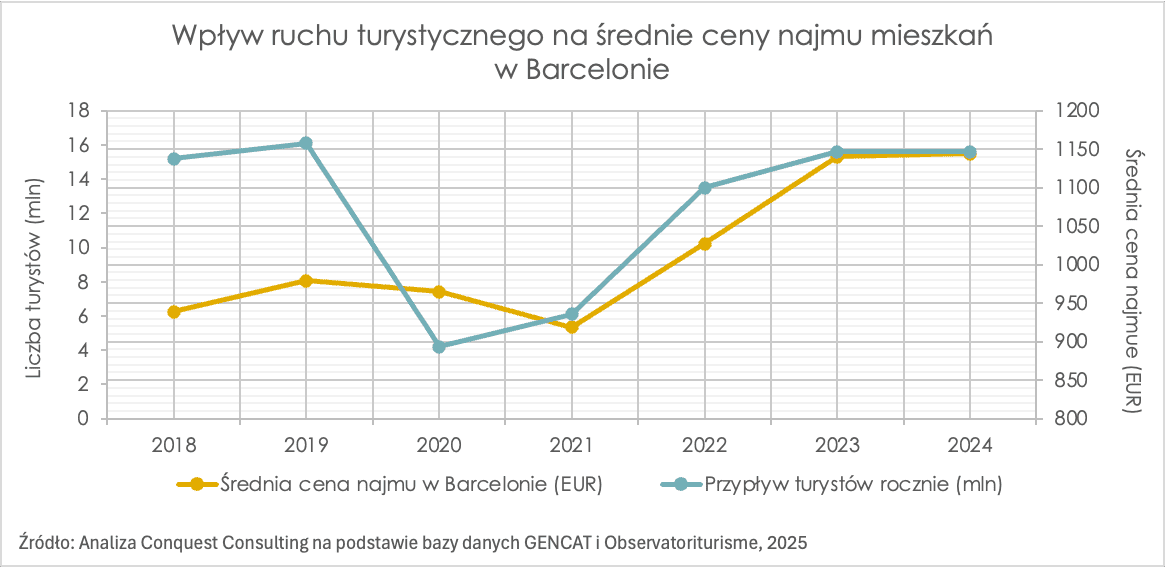
The future of the sharing economy in tourism
The modern sharing economy in tourism faces key challenges shaping its future development. Platforms will have to adapt their business models to growing regulatory demands and societal expectations. The sharing economy allows for further expansion into new tourism sectors, but short-term rentals require a sustainable approach that protects local communities.
The future of the sharing economy will be determined by the ability to integrate artificial intelligence technology with personalized travel experiences. Regulations for this market will evolve towards greater transparency and accountability of operators. Today's resource-access-based solutions are evolving into hybrid models that combine the benefits of digitalization with the protection of local values. Talent and intercultural experience sharing will play a key role in the future.
If you'd like to learn more about how we can help your business with market analysis, segmentation, or marketing strategy, contact us or schedule a free consultation.
Jan Weroński
See other entries